

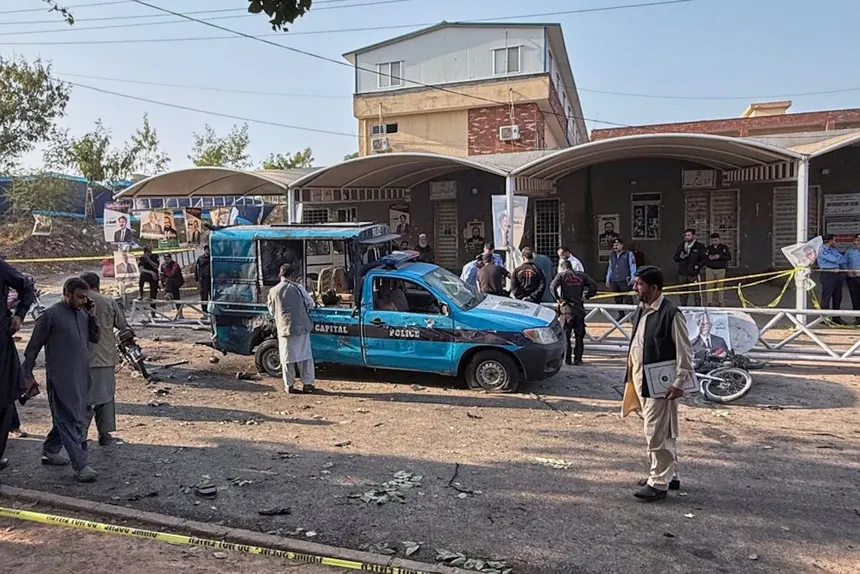
The Sri Lanka Cricket (SLC) board has instructed its national team to continue the ongoing tour of Pakistan despite a suicide bombing in Islamabad that killed at least a dozen people and triggered heightened security concerns. The directive came amid reports that several Sri Lankan players had formally requested to return home following the blast, which occurred near the team’s hotel.
The explosion in the G-11 area of Islamabad raised immediate alarm within the touring squad, with players citing unease over safety conditions. Team management reportedly informed SLC of the players’ apprehensions, prompting urgent consultations between Colombo and the Pakistan Cricket Board (PCB). After discussions, the SLC issued a firm statement confirming that the team would remain in Pakistan and complete the tour as scheduled.
According to sources within the Sri Lankan camp, the board’s top officials reassured players that the PCB and Pakistani authorities had reinforced all security arrangements. The players were told that every movement would take place under military protection, and that local law enforcement agencies were operating under “high alert” status. However, the board simultaneously made clear that leaving the tour without approval would trigger disciplinary consequences.
In a show of solidarity and determination to continue hosting international cricket, the PCB immediately increased the security cordon around the Sri Lankan contingent. Additional police, intelligence, and military units were deployed around hotels, practice venues, and stadiums in Rawalpindi — the location for the next two ODIs in the series. While the schedule may see minor adjustments, both boards remain committed to completing the matches.
The situation has drawn global attention, not only for its immediate safety implications but also for the precedent it sets regarding player autonomy in hazardous conditions. This episode echoes the traumatic 2009 Lahore terror attack, when the Sri Lankan team bus was targeted by gunmen, leaving several players injured and forcing Pakistan into a decade-long exile from hosting international cricket. That history, combined with the current bombing, has understandably amplified players’ anxiety.
Yet from a broader perspective, SLC’s insistence on continuing the tour reflects its determination to strengthen diplomatic and cricketing ties with Pakistan — a relationship that has weathered significant strain and recovery over the years. The board has emphasized the “spirit of resilience” and underscored the importance of maintaining confidence in Pakistan’s security arrangements, especially after years of international isolation.
For the players, however, the directive poses a moral and professional dilemma. Many within the squad feel uneasy about being compelled to play amid such heightened threats, while others see it as an opportunity to stand united in adversity. The decision may spark future debates within international cricket about how much agency athletes should retain in situations involving legitimate personal risk.
As the ODI series continues, both the PCB and SLC will be under intense scrutiny from fans and international observers alike. The immediate priority remains ensuring the safety of all participants, but the longer-term implications may reshape how future tours to high-risk regions are negotiated and approved.
12BET Shortlisted for Sportsbook Operator of the Year at SBC Awards 2025