

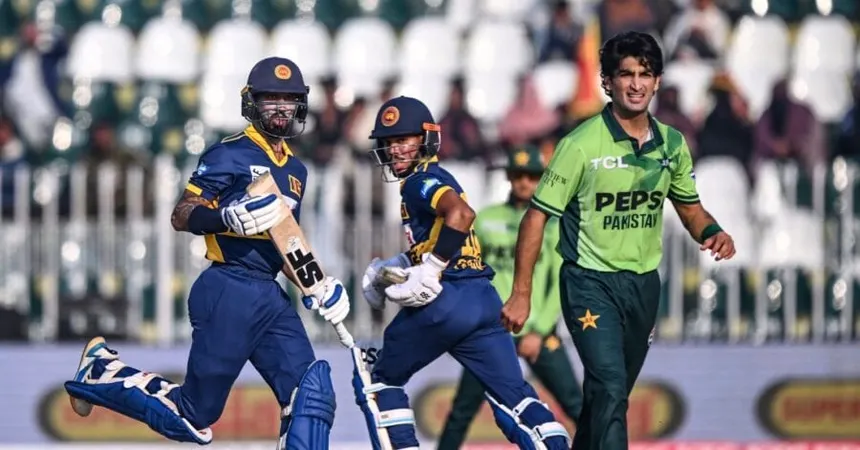
Sri Lanka’s tour of Pakistan has been thrown into tension after several players raised serious concerns about security following a deadly suicide bombing in Islamabad. According to reports from within the camp, a group of players — as many as eight — contemplated returning home early. But Sri Lanka Cricket (SLC) stepped in decisively, issuing a firm directive: the team must stay and complete the tour as scheduled.
The board’s stance followed internal discussions with players who felt uneasy about continuing in the region, especially with matches scheduled in Rawalpindi, close to the site of the bombing. SLC maintained that while players’ fears were understandable, the board had been given full safety guarantees from the Pakistan Cricket Board (PCB) and Pakistan’s security agencies. They emphasized that player safety remains the top priority, even as they insisted the series would not be called off.
To reinforce their position, SLC also made it clear that any player or staff member who leaves the tour against official instructions will face a formal review upon returning to Sri Lanka. The board stated that replacements would be flown in immediately to ensure the tour runs uninterrupted, making it evident that they are unwilling to let individual departures derail the schedule.
On the Pakistani side, authorities have been scrambling to show their commitment to the visiting team’s safety. Senior officials — including the PCB chairman and Pakistan’s interior minister — conducted inspections of the security arrangements in Rawalpindi and assured Sri Lanka’s representatives that “fool-proof” protection was being provided. Pakistan’s government is acutely aware of the sensitivity surrounding Sri Lankan tours, given the infamous 2009 attack on the Sri Lankan team in Lahore. This history adds a layer of emotional weight to the current situation, and it explains why players were quick to express their discomfort.
Even though SLC insists that the situation is under control, the reality is more complicated. The idea of players staying on under pressure raises broader questions about how much autonomy international cricketers truly have when safety fears collide with commercial and diplomatic interests. For Pakistan, the continuation of the series is symbolically important — another step in rebuilding trust as a safe destination for international cricket. For Sri Lanka, however, the decision reflects a difficult balancing act between protecting player welfare and honoring international commitments.
For now, the tour continues, but not without unease. The players remain in Pakistan, training and preparing for the next matches, yet the atmosphere around the squad is one of caution rather than comfort. The episode highlights the fragile nature of tours to regions with volatile security environments and shows how quickly a sporting event can become entangled with geopolitical realities.
Cricket goes on — but the tension sits just beneath the surface, shaping every decision, every movement, and every headline.
12BET Shortlisted for Sportsbook Operator of the Year at SBC Awards 2025