

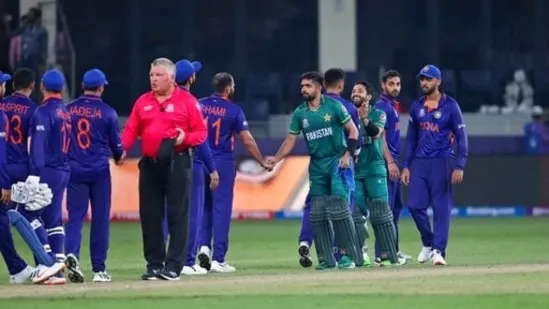
A promotional campaign for the upcoming India vs Pakistan clash in the Asia Cup has ignited widespread controversy, drawing heavy backlash from fans and political voices alike. The ad, aired by Sony Sports Network and featuring Virender Sehwag alongside Suryakumar Yadav and Shaheen Afridi, aimed to build excitement for the marquee encounter scheduled for September 14 in Dubai. However, the timing of the promo—coming just months after the tragic Pahalgam terror attack that claimed 26 civilian lives—has been labeled by many as tone-deaf and insensitive.
Social media erupted almost immediately after the promo went live, with hashtags like #BoycottAsiaCup and #DeshdrohiSonySports trending across platforms. Critics accused Sony and the BCCI of prioritizing revenue and hype over national sentiment. Several users expressed anger that a cricket match was being glorified when emotions around national security remain raw. One widely circulated comment read, “You may have, but we haven’t forgotten Pahalgam,” echoing a collective feeling that the nation’s sacrifices were being overshadowed by commercial interests.
The outrage escalated as political figures entered the fray. Leaders, including Aaditya Thackeray, questioned whether the BCCI was placing monetary gains above national pride. Letters have reportedly been sent to the Sports Ministry, demanding accountability from the board and broadcasters. The government has clarified that while bilateral cricketing ties with Pakistan remain suspended, participation in multilateral events like the Asia Cup will continue under existing guidelines. Despite that stance, the optics of promoting the clash amid tense relations have fueled an intense debate.
Adding to the discourse, former cricketers like Harbhajan Singh reminded fans that cricket is insignificant compared to the sacrifices of soldiers and national security priorities. His remark that “cricket is a small matter in front of the nation and its jawans” resonated strongly with many calling for restraint and sensitivity from sports authorities and broadcasters.
Despite the uproar, the promotional campaign remains active, and the Asia Cup schedule is unchanged. Sony continues to air the controversial clip, while the BCCI stands firm on its position, citing the ICC framework for neutral venue tournaments. However, the backlash raises a pressing question: will these boycott calls translate into tangible consequences, such as reduced viewership and sponsor unease, or will the allure of an India-Pakistan showdown prove too strong to resist?
This controversy once again highlights the volatile mix of cricket, politics, and public sentiment in the subcontinent. When the teams finally take the field in Dubai, the game will carry a weight far beyond the scoreboard—serving as a reflection of how sport, nationalism, and commerce collide in today’s climate.
12BET Shortlisted for Sportsbook Operator of the Year at SBC Awards 2025