

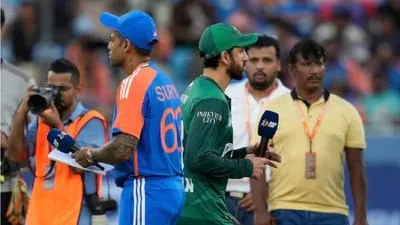
Sri Lanka has unveiled a significant security mobilisation as it prepares to co-host the ICC Men’s T20 World Cup 2026, with elite armed units and enhanced protection measures put in place to safeguard teams, officials and spectators — especially ahead of the much-anticipated India vs Pakistan match in Colombo on February 15. The heightened focus on security reflects both the global significance of the fixture and the broader regional tensions surrounding this edition of the tournament.
T20 World Cup organisers and Sri Lankan authorities have made safety a top priority in the lead-up to the event, which runs from February 7 to March 8 and features 20 matches in Sri Lanka alongside fixtures in India. With cricket matches between India and Pakistan historically drawing huge global attention — and sometimes reflecting political undercurrents — Sri Lanka’s sports and security ministries have worked together to develop a comprehensive protection plan.
At the core of the security strategy is the deployment of elite commando units, typically tasked with protecting visiting heads of state, to accompany all international teams throughout their time in the country. These specialised armed forces will oversee safety from the moment players arrive at the airport until their departure, offering continuous protection through transit, accommodation, practice sessions and match days.
“Ensuring the tournament runs smoothly and safely is our highest priority, and we are paying special attention to matches between India and Pakistan,” Sri Lanka’s Sports Minister Sunil Kumara Gamage told reporters. Officials have stressed that these measures are being extended to all teams participating in the World Cup, not only those involved in the marquee rivalry, to maintain overall event security.
In addition to the elite unit deployments, Sri Lankan police and security agencies are coordinating crowd management, surveillance and intelligence operations across key venues. The aim is to pre-empt any threats and ensure a smooth flow of spectators in and out of stadiums, particularly for high-interest games such as the Colombo showdown between India and Pakistan.
This security buildup comes amid a charged backdrop in world cricket. Political tensions in South Asia have already influenced tournament logistics, leading to adjustments like Pakistan’s matches being shifted to neutral venues in Sri Lanka after Islamabad declined to play in India. Bangladesh also withdrew from the event following unmet requests to move their fixtures out of India, prompting Scotland to replace them.
Sri Lanka’s measured approach reflects a desire to maintain neutrality amidst these wider disputes while showcasing the island’s ability to host high-profile international events safely. Cricket Secretary Bandula Dissanayake emphasised that Colombo intends to avoid being drawn into geopolitical controversies, noting that Sri Lanka regards all participating nations as friendly partners in sport.
Beyond security, organisers see the World Cup as an opportunity to upgrade infrastructure and highlight Sri Lanka’s cricketing venues. Several stadiums, including R. Premadasa Stadium in Colombo and Pallekele Stadium in Kandy, have benefited from facility improvements and new floodlight installations, ensuring they meet global broadcast and spectator standards.
For fans and players alike, the security enhancements are meant to provide confidence and stability during what could otherwise be a tense period. The India-Pakistan match, in particular, carries enormous emotional and commercial weight, often attracting one of the largest global viewerships for any fixture in the sport. Sri Lanka’s intensive preparations aim to ensure that this historic rivalry plays out on the field — not in a security context — and that the T20 World Cup can unfold without incident on its stages in Colombo and beyond.
12BET Shortlisted for Sportsbook Operator of the Year at SBC Awards 2025