

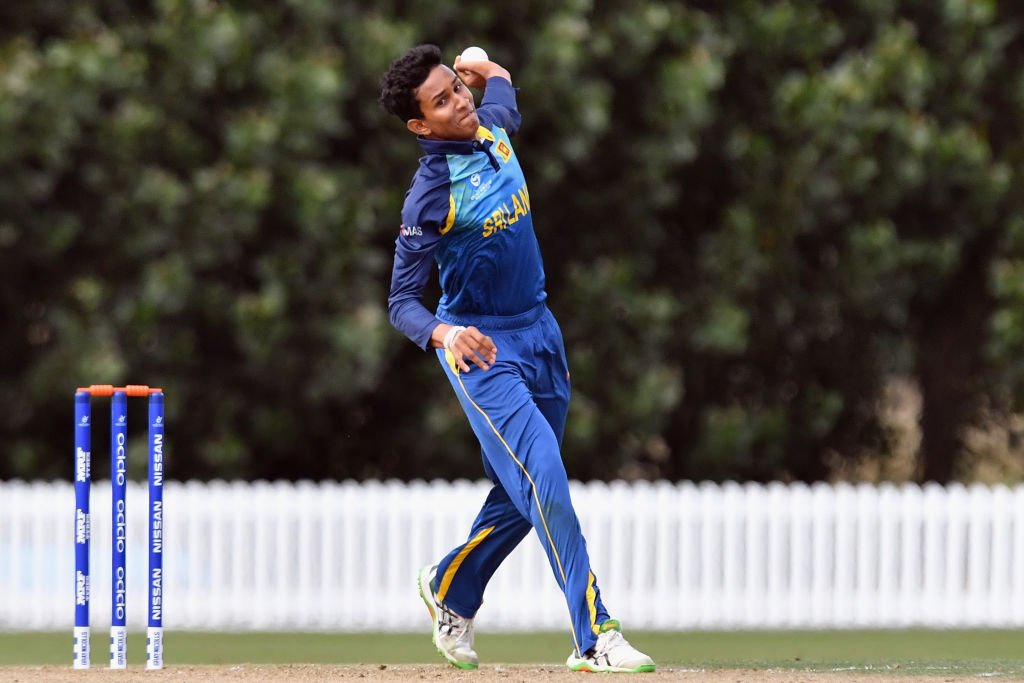
Sri Lankan left-arm spinner Praveen Jayawickrama has been banned from all forms of cricket for a year after admitting to multiple breaches of the ICC’s Anti-Corruption Code. The International Cricket Council (ICC) handed down the ban, with six months suspended, provided that Jayawickrama complies with the terms set forth by the governing body.
The ICC charged Jayawickrama with obstructing their investigation into corruption-related activities. The 23-year-old admitted to violating Article 2.4.7 of the ICC’s Anti-Corruption Code, which relates to delaying or obstructing an investigation by tampering with or concealing information. Specifically, he was found to have deleted messages related to match-fixing approaches during the 2021 Lanka Premier League and other international events.
These revelations are part of an ongoing effort by the ICC to clamp down on corruption in cricket. Jayawickrama was approached with offers to engage in corrupt activities, including influencing match outcomes and persuading other players to participate. Though he did not act on these approaches, his failure to report them and attempts to obstruct the investigation led to his ban.
Praveen Jayawickrama’s ban comes at a time when he was still trying to establish himself in the Sri Lankan cricket setup. After making his international debut in 2021, he had shown promise, particularly in Test cricket, where he took 25 wickets in just five matches. Despite his strong start, Jayawickrama has not featured in an international game since 2022.
Recently, Jayawickrama was playing in Sri Lankan domestic competitions, including the Major Clubs Limited Over Tournament. However, his suspension now sidelines him from both domestic and international cricket until at least 2025, provided he abides by the conditions of the suspension.
Sri Lanka Cricket (SLC) has been proactive in addressing corruption in cricket, and this latest incident reinforces the organization’s commitment to maintaining the integrity of the sport. The ICC and SLC have worked closely to ensure that players involved in any form of corrupt practices face severe consequences. Although Jayawickrama is a young player with potential, this incident will undoubtedly affect his future prospects in the national setup.
Sri Lanka’s recent success under head coach Sanath Jayasuriya, including series wins against India and New Zealand, has been a source of national pride. However, Jayawickrama’s ban serves as a reminder that corruption remains a threat to the sport’s integrity. As Sri Lanka continues to build on its recent international successes, players and officials alike will need to remain vigilant in safeguarding the game’s reputation.
For Jayawickrama, the road back to international cricket is uncertain. At 23, he still has time to rebuild his career, but this ban will inevitably cast a shadow over his previous achievements. While he serves his suspension, the hope is that he will reflect on the importance of upholding the values of fairness and transparency that are essential to cricket’s global appeal.
In conclusion, Praveen Jayawickrama’s ban underlines the ICC’s commitment to enforcing its Anti-Corruption Code. The one-year suspension, with six months deferred, allows Jayawickrama the opportunity to redeem himself if he complies with the terms of his suspension. His future in cricket, however, will depend on his ability to move past this setback and restore the trust that has been lost.