

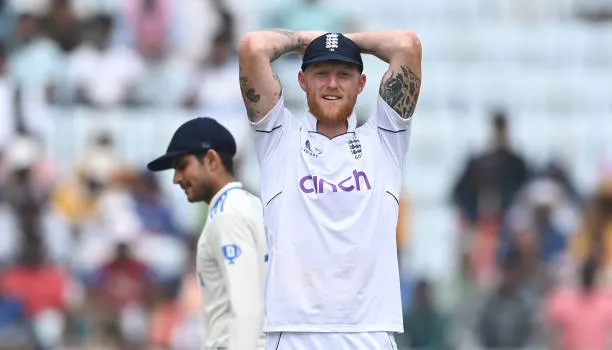
Ben Stokes rolled the dice at Old Trafford, electing to bowl first in the fourth Test against India—a decision that flies in the face of over a century of precedent. No team has ever won a Test at this venue after choosing to field first. Yet, the England skipper banked on overcast skies and a fresh pitch to tip the odds in his side’s favour.
Historically, Old Trafford has heavily favoured teams batting first. Of the 85 Tests played at the ground, just 11 captains have dared to bowl first—and not one has emerged victorious. It’s a record that reads like a warning sign. But Stokes isn’t one to be bound by convention. He’s made bold choices throughout his captaincy tenure, and this one was no different.
Conditions in Manchester on the morning of July 23 were cloudy, cool, and humid—ideal for seam and swing bowling. With a four-seamer attack featuring Chris Woakes, Jofra Archer, Brydon Carse, and himself, Stokes saw a golden opportunity to strike early. Additionally, the return of left-arm spinner Liam Dawson added variety to the attack, offering a balance that allowed Stokes the luxury of making such a gamble.
India’s openers, however, stood firm in the face of England’s early pressure. KL Rahul and Yashasvi Jaiswal saw off the new ball with poise and discipline, taking India to 78 without loss by lunch. England’s bowlers were steady but didn’t extract the kind of movement Stokes would’ve hoped for under the heavy cloud cover.
Post-lunch, things began to shift. Woakes broke through by removing Rahul for 46, and Dawson marked his return to Test cricket with the scalp of Jaiswal. Then Stokes himself delivered a key blow, trapping Shubman Gill leg-before for 28 just before tea. India were 149 for 3 at the break—a balanced position, with England having fought back after a sluggish start.
For Stokes, this wasn’t just about the weather—it was a calculated gamble rooted in recent data. England had bowled first in several successful home Tests since 2020, including at Old Trafford. Most notably, Stokes had made a similar call against Australia at the same venue in 2023, where England dominated before rain denied them victory.
With the series finely poised at 2–1 in England’s favour, the fourth Test is a decider in all but name. A win here would seal the series and validate Stokes’s high-risk decision. A loss, however, would make his call look reckless in hindsight.
As the Test unfolds, eyes will remain fixed on whether England’s bowlers can maintain pressure and extract late movement. If they can back their captain’s brave call with execution, Stokes’s decision could become one of the defining moments of his leadership. If not, it will be remembered as a gamble that tried to rewrite Old Trafford’s iron-clad history—and failed.