

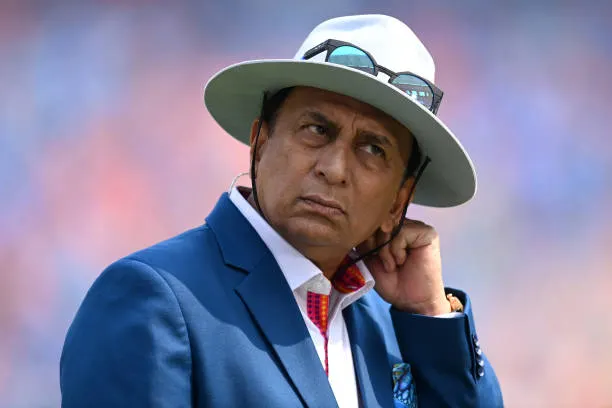
Cricket legend Sunil Gavaskar has stirred debate ahead of the ICC Men’s T20 World Cup 2026 by arguing that while the India vs Pakistan Group A clash will undoubtedly draw global attention, it “isn’t the real battle” of the tournament — suggesting the pair’s group placement makes progression too straightforward and that the truly difficult tests lie ahead.
In his column for Sportstar, Gavaskar pulled no punches in critiquing both the structure of the World Cup groups and how the blockbuster rivalry has been framed. India and Pakistan are set to meet in Colombo on February 15, a fixture that has become one of the sport’s most watched — and most emotionally charged — matches. Yet Gavaskar insists cricketing context and the makeup of Group A diminish the competitive significance of this meeting.
Gavaskar pointed out that India and Pakistan have been drawn alongside Namibia, the USA, and the Netherlands — a relatively inexperienced set of opponents compared to traditional T20 powers. In his view, this grouping almost guarantees both India and Pakistan a spot in the next round, regardless of the head-to-head outcome. That, he argues, saps some of the competitive edge out of the match when viewed strictly through the lens of World Cup progression.
“As always in recent World Cups, India and Pakistan are not only placed in the same group to ensure at least one clash between the traditional rivals, but are also invariably put in a fairly easy group to qualify for the next round,” Gavaskar wrote. “So the real battle could well start from the following stage of the tournament.”
This line of thinking reframes the much-anticipated India-Pakistan match from a must-win to a likely stepping stone — one that will excite fans and drive viewership, but not necessarily decide who ultimately lifts the trophy.
Gavaskar’s column also touched on broader competitive dynamics. He noted that teams once seen as underdogs, particularly the USA, have grown stronger after exposure to high-level cricket such as Major League Cricket. The improving quality of associate nations — he suggests — means surprises are increasingly likely in later stages of the tournament, and that the ‘easy path’ narrative might not hold once the Super Six or knockouts begin.
His comments underline a shift in how cricketing narratives are shaped: it isn’t just the headline matchups that matter, but the depth, balance, and strategic adaptability of squads as they progress. Gavaskar’s take pushes readers to look past the emotion of the India-Pakistan rivalry to consider how the tournament’s toughest battles might unfold when more evenly matched teams meet in the latter rounds.
The idea that the real challenges come later has added fuel to pre-World Cup discussion among fans and pundits alike. While the India-Pakistan clash remains a must-watch spectacle, Gavaskar’s frank assessment encourages a broader perspective on tournament structure and competitive balance — and a reminder that cricketing fireworks often occur when pressure is highest, not just when rivalry is fiercest.
12BET Shortlisted for Sportsbook Operator of the Year at SBC Awards 2025