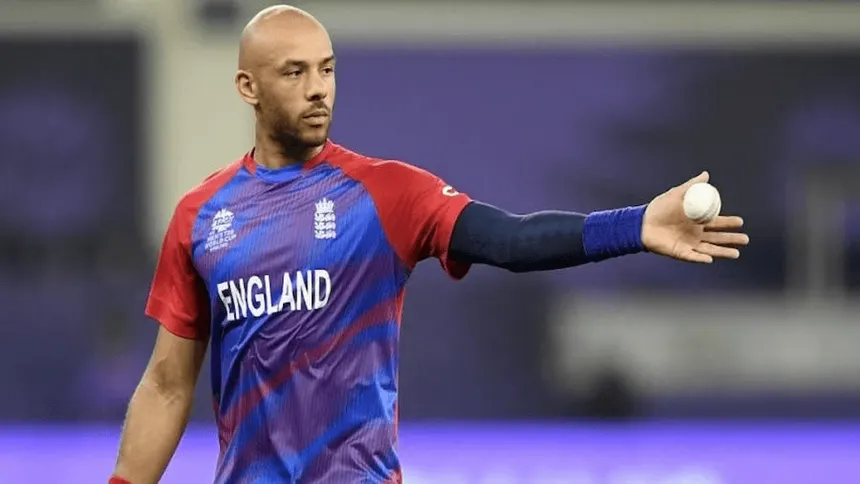
England fast bowler Tymal Mills has found himself at the centre of a branding controversy after the England and Wales Cricket Board (ECB) blocked his plan to display the OnlyFans logo on his bat during The Hundred. Mills, a key player for the Southern Brave, had recently joined the platform with the aim of offering fans behind-the-scenes insights into his cricketing life, including training routines, personal reflections, and tips for aspiring players. His content was intended to be sports-focused and family-friendly, steering clear of any adult themes.
However, the ECB swiftly intervened, citing the platform’s widely recognised association with adult content. The board argued that such branding conflicted with The Hundred’s image as a family-oriented, inclusive tournament designed to appeal to a wide audience, including children. While Mills complied with the decision, appearing in matches with a bat free of the logo, the ruling has sparked a wider debate about commercial freedom for players and the consistency of sponsorship policies.
Critics have questioned the ECB’s stance, pointing out that cricket has long welcomed sponsorships from industries such as alcohol, betting, and fast food—sectors not exactly synonymous with health or youth engagement. Supporters of Mills argue that his OnlyFans venture is no different from other social media platforms where athletes monetise exclusive content, and that the focus should be on the nature of the material shared, not just the reputation of the platform hosting it.
This incident also highlights the growing trend of athletes seeking independent revenue streams outside of traditional endorsements. With the rise of subscription-based content platforms, more sports personalities are experimenting with direct fan engagement to build personal brands and supplement their income. The ECB’s intervention underscores the tension between maintaining the sport’s traditional image and adapting to evolving models of athlete entrepreneurship.
For Mills, the setback may ultimately serve as inadvertent publicity, drawing more attention to his venture than the logo on his bat ever could. But it also sets a precedent in English cricket, signalling that governing bodies are prepared to act decisively when personal endorsements clash with their perception of the sport’s image.
As the debate continues, it raises broader questions for the future: should sports authorities have the final say over every commercial move made by players, or should athletes be free to explore modern monetisation avenues as long as their content remains appropriate? For now, Mills will continue to bowl for Southern Brave without the OnlyFans branding—but the discussion his case has sparked is unlikely to fade anytime soon.