

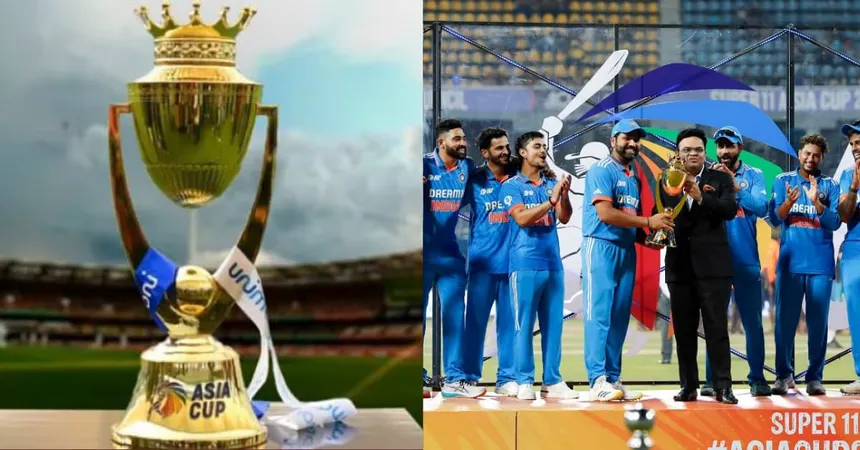
The 2025 Asia Cup T20 trophy remains undelivered to the champion Indian men’s team, and the Board of Control for Cricket in India (BCCI) is set to escalate the matter at the upcoming International Cricket Council (ICC) board meeting in Dubai. Despite India’s victory over Pakistan national cricket team in the final, the physical trophy has yet to be handed over, triggering a governance-standpoint crisis in Asian cricket.
The India–Pakistan final, played on 28 September at the Dubai International Cricket Stadium, ended with India securing the title. Shortly after, tensions flared during the presentation ceremony when the Indian side declined to accept the trophy from Mohsin Naqvi — who holds dual roles as Chairman of the Pakistan Cricket Board (PCB) and President of the Asian Cricket Council (ACC). India cited political sensitivities and the impropriety of receiving the trophy from him. Since that moment, the trophy reportedly remains with the ACC headquarters in Dubai, under Naqvi’s custodianship.
The BCCI has repeatedly sought formal delivery of the trophy, writing letters and issuing requests to the ACC. When no satisfactory response materialised, the board announced that the issue would be raised at the ICC’s Dubai meeting. The BCCI’s position is clear: as the rightful winners, India deserves immediate possession of the trophy. Failure to hand it over reflects poorly on the sport’s governance and raises serious questions about respect, protocol and fairness.
During the ICC meeting, India’s representative on the board, BCCI Secretary Devajit Saikia, is expected to formally submit the matter. Although the trophy hand-over is not listed on the official agenda, several member boards have expressed concern about the optics of a champion team not receiving its trophy. The ICC has reportedly formed a committee to mediate the stand-off — underscoring the seriousness with which this governance-lapse is being treated.
For Pakistan’s side, led by Naqvi, the terms of handover remain disputed. Naqvi has insisted that he must personally present the trophy, resisting alternatives proposed by the BCCI. That rigid stance — combined with India’s refusal to be presented by Naqvi — has essentially frozen the hand-over process. Observers argue that the controversy touches on much more than a piece of silverware; it speaks to power dynamics, authority in Asian cricket administration and the interplay of sport and diplomacy.
The implications extend beyond ceremony. For a board like the BCCI, the delay sends the wrong message: when a team wins a tournament, recognition should follow automatically, not become entangled in double-role politics or jurisdictional tussles. For the ACC, the incident may erode trust and raise expectation that its rules and processes must prioritise fairness and transparency. For the ICC, it underscores the need for clearer protocols regarding trophy custodianship, presentation rights and what happens when the custodian is also a rival-board official.
As the Dubai meeting unfolds, all eyes will be on whether a concrete timeline emerges for the hand-over. India will aim for immediate resolution, while Pakistan and the ACC will seek to protect precedent. If nothing changes soon, the trophy dispute may linger — more legacy of friction than celebration.
12BET Shortlisted for Sportsbook Operator of the Year at SBC Awards 2025