

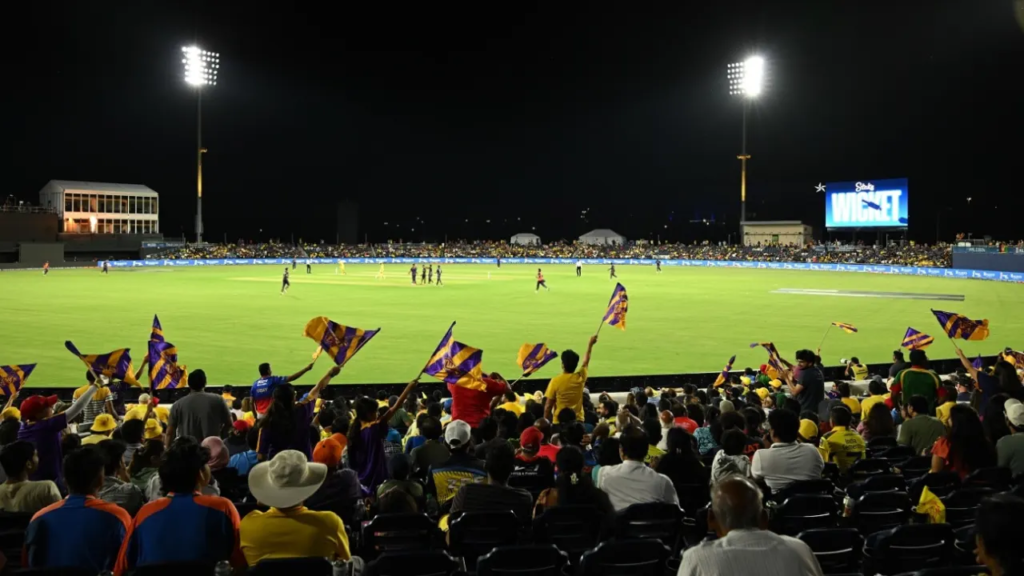
USAC files for bankruptcy as “aggressive” and “legal” move necessary to ensure the future of American cricket.
USA cricket crisis worsens as USAC files for bankruptcy.
With the USAC filing for bankruptcy on Wednesday as part of what it claimed was a structural restructure, the problem in USA Cricket has gotten worse. The USAC described it as a “legal” and “aggressive” action that was required to “ensure the future of American cricket.”
According to a press release, USAC “voluntarily” filed for the financial reorganisation under Chapter 11 of the US Bankruptcy Code, announcing the event. The USAC ruling is troubling since it was made almost a week after USAC was suspended by the ICC on September 23 for grave violations of membership requirements.
Communicating the suspension in an email to USAC chairman Venu Pisike on September 23, the ICC chairman Jay Shah had warned USAC to “not take any steps to undermine the ICC or its Normalisation Committee in all aspects of the ICC’s work related to the USA, including the LA28 Olympic Games.”
However, USAC chief executive officer, Johnathan Atkeison, said in the media release that one of their motives behind the financial restructuring was to also address the ICC suspension. “The decision was not made lightly, but it is the best course of action to secure USA Cricket, and allow it the time and space it needs to successfully reorganize,” Atkeison said.
When the decision was made and whether the USAC board approved the action were not specified in the USAC release. It is believed that the board convened on September 30 with the nine directors present to address the bankruptcy filing as the only item on the agenda. The USAC board had met twice since the ICC suspension, the first time being on September 28.
When four directors asked Pisike on Tuesday why declaring bankruptcy was more important than talking about the ICC suspension, it is said that he responded, “There is nothing to discuss.”
According to information obtained, the four directors—Nadia Gruny, Atul Rai, Arjun Gona, and Kuljeet Singh Nijjar—left the meeting to express disapproval of its conduct and procedures, particularly the fact that one of them claimed Pisike “muted” them before they could finish speaking.
Pisike was not available for remark. Additionally, it was unclear whether the five remaining directors—Pisike, Anj Balusu, Srinivas Salver, and two independent directors David Hauber and Pintoo Shah—had determined they had the constitutional majority to approve the financial restructuring plan.