

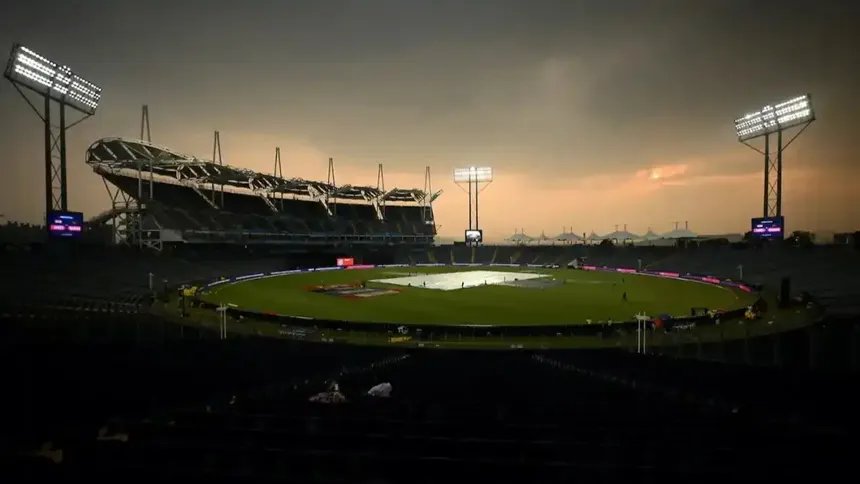
The abrupt relocation of the Syed Mushtaq Ali Trophy 2025–26 knockout stages — from Indore’s Holkar Stadium and Emerald High School Ground to Pune’s Maharashtra Cricket Association Stadium and Dr DY Patil Academy Grounds — has stirred widespread concern among players, coaches, officials, and support staff. What began as a necessary response to Indore’s hotel shortage has now snowballed into a logistical headache at one of the most crucial phases of India’s domestic T20 season.
Teams had already built their itineraries around Indore. Travel bookings were in motion, hotel blocks were pencilled in, support staff had coordinated equipment movement, and associations had finalised internal budgets. The move to Pune — although logical from an accommodation standpoint — forces everyone to rip up those plans and scramble for replacements. Air travel into Pune is heavily booked at this time of year, and rail travel is no easier, with many teams rushing simultaneously to secure limited seats. Even domestic associations with healthy budgets are feeling the pinch, and financially modest units are worse off.
Accommodation in Pune, while generally more abundant than crisis-struck Indore, brings its own set of challenges. Costs are higher, peak-season demand is fierce, and many centrally located hotels are already committed to corporate events or weddings. Teams now face the possibility of staying far from the grounds, which means longer commutes, more fatigue, and tighter pre-match scheduling. In a tournament where recovery time between games is short, losing even an hour or two of rest can add up quickly across knockout fixtures.
The shift also tears into training plans. State sides had tailored their net sessions, gym access, physiotherapy slots, and pre-match routines around Indore’s facilities. Moving everything to Pune at short notice forces teams to renegotiate practice slots, sometimes at unfamiliar grounds with different surface characteristics. Coaches are rightfully worried about the impact: T20 cricket depends on rhythm, and abrupt logistical disruptions can spill directly into performance. Players thrive on predictable routines — not multi-hour bus rides between accommodation, practice venues, and stadiums because everything was booked last-minute.
Broadcast crews, match officials, analysts, and ground staff are in the same mess. Equipment trucks must reroute. Pitch preparation teams need to align with new venues. Broadcasters need time to rebuild technical setups that were already structured around Indore. Every operational layer — from security to team liaison officers — now needs re-planning, often with compressed timelines and zero room for error.
Fairness concerns are also surfacing. Teams located closer to Indore, or those who had cost-effective travel options into Madhya Pradesh, suddenly face steeper expenses and more complicated routes. On the other hand, sides based nearer to Maharashtra now benefit from the switch through easier travel and smoother acclimatization. Domestic cricket thrives on competitive parity, but this late change risks tilting the playing field unintentionally.
The BCCI will have to step in decisively — offering logistical assistance, coordinating travel across teams, and providing financial relief where needed. If not handled with precision, the move could overshadow the cricket itself. The SMAT knockouts deserve a clean, high-quality finish; right now, the biggest battle is happening off the field, in the race to simply arrive, settle, and prepare.
12BET Shortlisted for Sportsbook Operator of the Year at SBC Awards 2025